magazines & other media
Here we offer selected articles, videos, and recordings featuring Jamie K. Reaser and her literary work. To invite or commission work, Connect with Jamie.

I started and quit French class when I was in eighth grade. I was confident that the word oui should be pronounced “oy”, but my teacher insisted on “we”—a sound that doesn’t look a thing like the spelling. What a ridiculous language, I thought, and she wasn’t inclined to see or hear things my way. After two weeks, I’d had enough, la fin, and signed up for art.
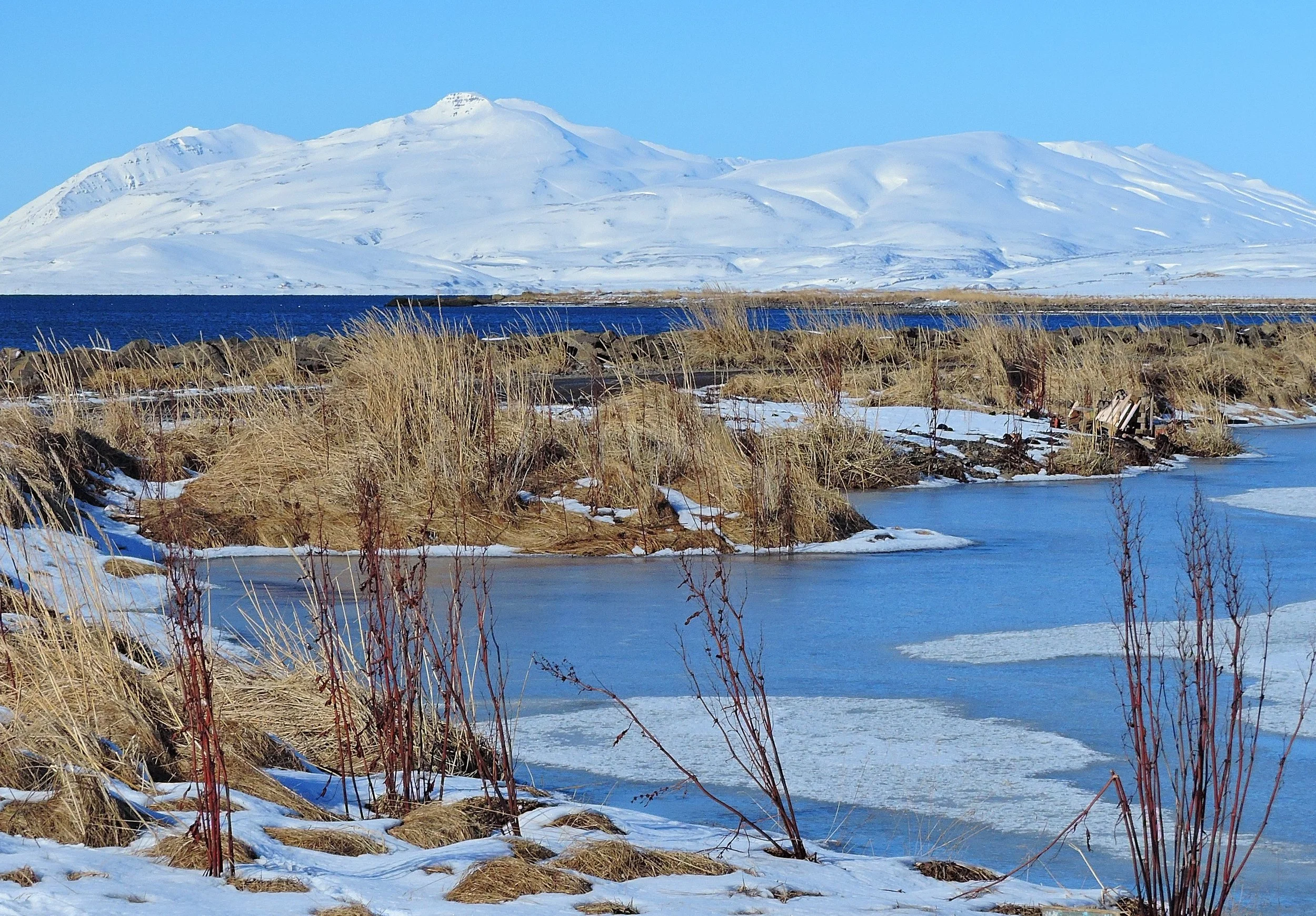
Jamie K. Reaser presents the “Poetics of Arctic Conservation” at the Arctic Biodiversity Conference in Rovaniemi, Finland, 2018.

When I was a young girl, my family would go to South Carolina’s Litchfield Beach for a week-long summer vacation. I wasn’t a get-in-the-water kind of kid. My joys came from walking, barefoot, as far up and down the beach as parental permission would extend, sometimes a bit farther. I scanned ahead for favorite shells and sharks’ teeth. Dozens of these treasures have remained with me for decades; cherished belongings set in a glass case to which my front door opens. When my eyes fall upon them, I know that I am home.

As part of the American University in Paris’ 2020 Conference on the Psychology of Global Crises, we collaborated in a panel discussion entitled the Poetics of Crisis in which we explored the role of poetry as a medium of personal and transpersonal expression during times of crisis, as well as a means for transmuting crisis into an opportunity, a platform, for generative change. Here, we continue the dialogue, three award-winning poets exploring how words—through our own approach to literary writing—can invoke human potential during challenging times. We reflect on poetry in form, as an offering to and conveyance of beauty amidst pain, as protest in the way that it can demarcate what no longer serves sentiment and survival, and as a spark of revolution—the inspiration and guide when the necessary changes are called out and called up for the sake of humanity. We conclude with a poetic invitation.
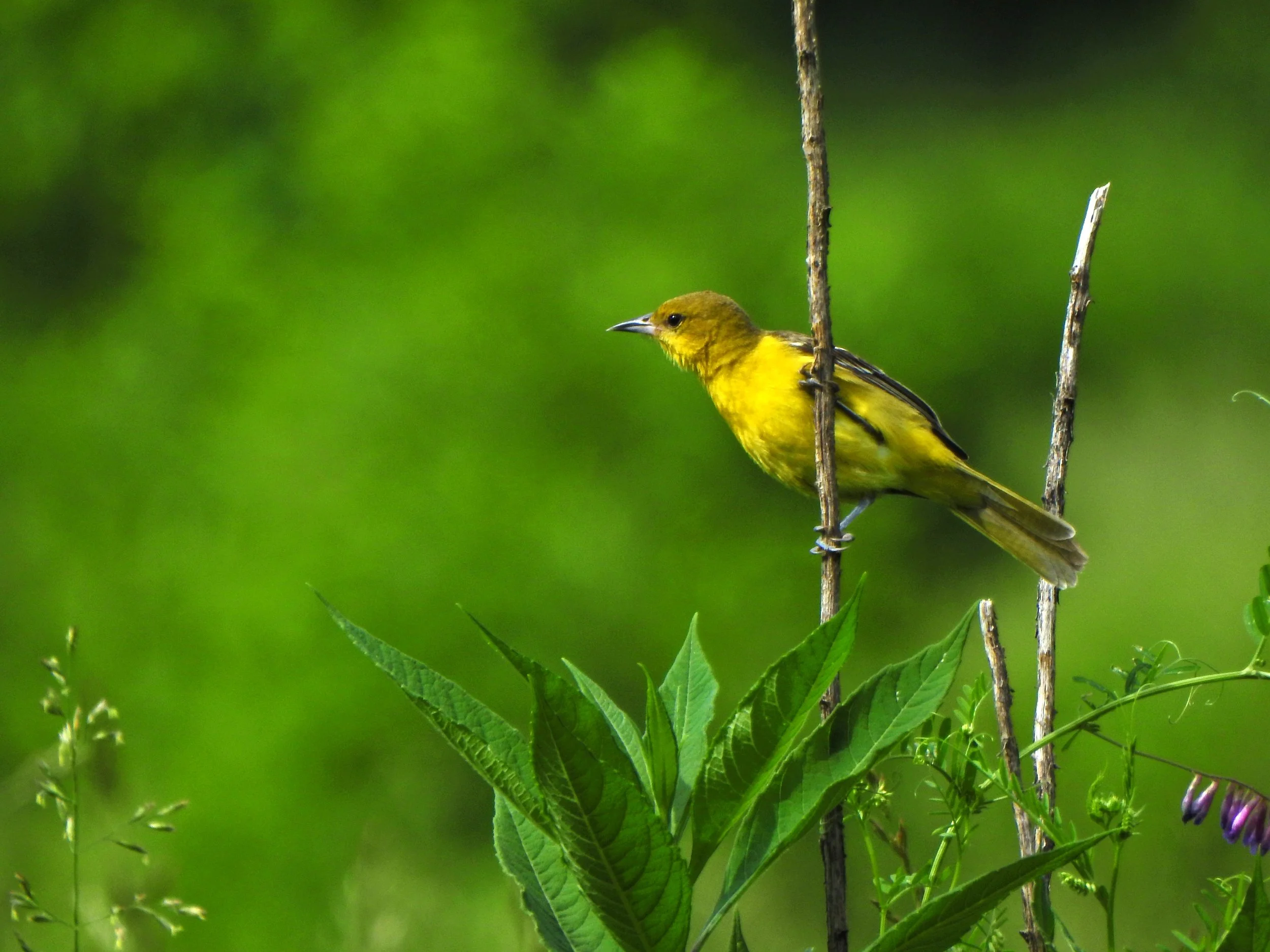
Drawing from Dawn Songs: A Birdwatcher’s Field Guide to the Poetics of Migration, Jamie explores lament as a human song sung for the other-than-human world.

The season finale emphasizes the importance of getting outside and cultivating a relationship with nature. While there is an increasing divide between people and the outdoors, we know that deep connections with nature are important to a human’s well-being. Why do we need this connection? What do nature and wildlife do for us? Join us to hear from a variety of nature enthusiasts on how and why they relate to nature, and how we can help others continue to grow and develop their relationships with the outdoor world.
“…There was blood on the
tip of its beak. Interesting, I thought. Without
words, it said, “I claim you.” And, that was that.
Some prayer was answered. I’m not sure
which one. Maybe, it was all of them.”
– Jamie K. Reaser, Standing There
in Conversations with Mary: Words of Attention and Devotion
Winner of the Nautilus Book Award silver medal for poetry